Recent Blog Posts
Can I Face Charges for Driving With a Suspended or Revoked License in Illinois?
 There are a handful of reasons why a person could end up with a suspended or revoked license. Some of these reasons do not even relate to driving, yet you can still lose your license all the same. Not paying fines relating to parking tickets, tolls, or automatic traffic violations, can lead to license suspension. Failing to pay court-ordered child support or failing to appear for a traffic citation could also result in a license suspension. Driving while under the influence (DUI) is one of the most common reason a person has their license suspended or revoked. Though it can be irksome to lose your ability to drive, choosing to drive even while your license is suspended or revoked can result in criminal penalties.
Penalties for Driving With a Suspended License
Unlike many other traffic violations, driving with a suspended or revoked license is a criminal charge -- not just a traffic ticket. This means that the penalties are typically harsher and the effects of the charge are usually more severe than a traffic ticket. Penalties for driving with a suspended or revoked license depend on how many prior offenses you have and how your license was originally suspended.
How Does Illegal Search and Seizure Affect Drug Crime Cases?
 When a person is arrested and charged with drug crimes, the prosecution’s case will often rely on the evidence recovered. Drugs or drug paraphernalia that are found on a person, in their vehicle, or in their home may be used as evidence, and depending on the amount of drugs and other types of evidence, such as materials used to manufacture or package drugs, a person may face charges of drug possession or drug manufacturing and delivery. However, police officers are required to follow the law when performing searches, and in cases involving illegal search and seizure, the evidence recovered by police officers may be inadmissible.
Understanding Illegal Search and Seizure
When Can Domestic Violence Accusations Lead to Felony Charges?
 Being accused of domestic violence can be devastating. These types of claims can permanently damage a person’s reputation while also affecting their relationships with family members or friends. Accusations can also lead to criminal charges, and in serious cases, these crimes may be considered felony offenses. A felony conviction can result in a prison sentence of one year or more, as well as up to $25,000 in fines. In domestic violence cases, a person will need to know how the law applies to them and their options for defense.
Felony Domestic Violence Charges
Accusations of domestic violence may result in the following types of felony charges:
-
Domestic battery - This offense may apply if a person allegedly caused bodily harm to a member of their family or a person who lived in their household. While a first conviction of domestic battery is usually prosecuted as a Class A misdemeanor, a second offense is a Class 4 felony. Aggravated domestic battery charges may apply if a person’s actions allegedly caused great bodily harm, permanent disability, or disfigurement, or if they allegedly strangled a person while committing domestic battery. Aggravated domestic battery is a Class 2 felony.
What Is the Difference Between Assault and Battery in Illinois?
 Even though most people never intend to run afoul of the law, there are some situations where a person may be accused of harming someone else, and these may lead to criminal charges. In some cases, an argument or disagreement may get out of control, causing a person to feel threatened, or a physical fight may break out, resulting in injuries. These situations could lead to assault and/or battery charges. While these charges are often used together, they are two separate offenses, and it is important to understand the distinctions between them. Depending on the circumstances of a case, assault or battery may be charged as a misdemeanor, or aggravating factors may lead to felony charges.
Assault Charges
A person may be charged with assault if they knowingly take actions that would reasonably cause someone else to fear that they will suffer bodily harm or to believe that the person will make physical contact with them in an offensive or insulting manner. Since assault involves the threat or anticipation of action, a person may be charged with this offense if they verbally threaten to harm someone else, pull back their fist in preparation to punch someone, or brandish a weapon in a threatening manner.
Understanding Construction Zone Traffic Violations in Illinois
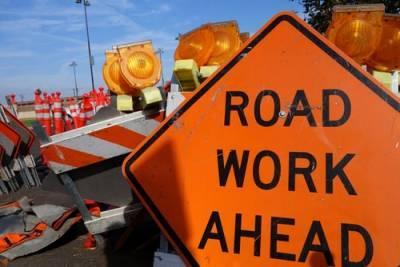 There are multiple ways that a driver may be charged with a traffic violation. In many cases, traffic tickets will result in fines, but a driver may also see their insurance rates increase, and multiple violations within one year could even result in the suspension or revocation of their driver’s license. Traffic violations that take place in construction zones can result in more serious penalties. Drivers will need to be sure to understand the laws that apply in these situations and their options for defending against these types of violations.
Types of Construction Zone Violations
Usually, when road construction is being performed, reduced speed limits will apply for drivers who are traveling through the work zone. These limits will remain in effect whether work is being performed in the construction area or not. Automated photo speed enforcement may be used in some construction zones, although it can only be active at times when workers are present.
Updated: Illinois Penalties for Juvenile Possession of Drugs
 UPDATE: As of January 1, 2020, Illinois laws regarding marijuana have changed. Adults over the age of 21 are allowed to possess and use up to 30 grams of cannabis for recreational purposes, and adults and minors may also possess and use marijuana for medicinal purposes if they have a debilitating medical condition and are authorized to participate in the Medical Cannabis Patient Program. Along with these changes to the law, the penalties that minors may face for possession of marijuana have been updated.
Minors under the age of 21 are prohibited from possessing or using marijuana, with the exception of those who are authorized to use medical cannabis. However, possession of marijuana by a minor is no longer a criminal offense, but is instead treated as a civil law violation. This type of violation may be punished by a fine of $100-200. If a minor is found to be in possession of marijuana in a motor vehicle, their driver's license may be suspended or revoked.
When Can a Person Be Charged With Manslaughter in Illinois?
 Of all the different types of criminal charges that a person can face, some of the most serious involve the accusation that a person caused someone else’s death. While intentionally killing someone else can lead to charges of first-degree or second-degree murder, a person may also face felony charges if they are accused of accidentally causing someone’s death. Depending on the circumstances, the offenses of involuntary manslaughter or reckless homicide may apply. Those who are facing these types of charges will want to understand how Illinois law applies to their situation and the potential penalties they could face if they are convicted.
Involuntary Manslaughter and Reckless Homicide Charges
A person may be charged with involuntary manslaughter if they unintentionally kill someone else without a lawful justification. Typically, involuntary manslaughter charges will apply if a person acted recklessly in a way that was likely to cause great bodily harm or death to someone else. In most cases, involuntary manslaughter is charged as a Class 3 felony, and a conviction can result in a prison sentence of two to five years. A person who is convicted of a felony may also be required to pay a fine of up to $25,000.
What Are the Penalties for Manufacturing or Selling Drugs in Illinois?
 There are multiple different types of illegal drugs and controlled substances that may be available to people in the United States. These substances are strictly regulated, and possession of illegal drugs can result in serious criminal charges. However, a person can be charged with an even more serious offense if they are accused of manufacturing drugs or selling controlled substances. These charges may apply if a person allegedly sold or delivered drugs to someone else, but possession of large amounts of drugs may also be seen as an indication that a person intends to sell or distribute these substances. Those who are facing these types of drug charges should be sure to understand how Illinois law applies to their situation, and by working with a criminal defense attorney, they can determine the best strategy for defense.
What Are the Penalties for Motor Vehicle Theft in Illinois?
 While stealing a car or other vehicle that belongs to someone else is a crime, there are a variety of other offenses that may be considered motor vehicle theft. Depending on the nature of a specific offense and the value of a vehicle that was allegedly stolen, a person could be charged with a misdemeanor or felony. People in Illinois who are facing these types of charges will want to understand how the law applies to their situation, and by working with an experienced criminal defense lawyer, they can determine their best options for achieving a positive outcome to their case.
Different Types of Motor Vehicle Theft Charges
Motor vehicle theft may involve any situation in which a person possesses a vehicle owned by someone else when they are not entitled to do so. These charges may apply if a person takes, conceals, or sells another person’s vehicle or if a person receives or transfers ownership of a vehicle that they know to be stolen. Theft of a vehicle’s "essential parts," including its frame, doors, engine, seats, or radio, may be treated similarly to the theft of a vehicle as a whole.
When Can Traffic Violations Lead to a Driver’s License Suspension?
 Most people have received a traffic ticket at some point in their lives, and in many cases, drivers are cited for minor traffic violations, such as speeding, running a red light, or failing to use turn signals. After receiving a traffic ticket, a driver will usually be required to pay a fine, and their insurance rates may increase. However, drivers should also be aware that multiple violations or serious traffic infractions could result in the suspension of their driver’s license. In these cases, drivers will want to work with an attorney and determine whether they can contest traffic violations and avoid the loss of their driving privileges.
License Suspensions Under the Illinois Point System
When a driver is convicted of a traffic violation, a certain number of points will be added to their Illinois driving record. The number of points is based on the severity of the offense. Minor violations will usually involve between 5 and 20 points. For example, a speeding ticket where a driver was traveling 10 miles per hour or less over the speed limit is worth five points, and disregarding a traffic light or signal is worth 20 points. More serious offenses may involve between 25 and 55 points. Examples of these types of violations include aggravated speeding at least 26 miles per hour over the speed limit, which is worth 50 points, or reckless driving, which is worth 55 points.


Get The Representation You Deserve
Call 847-488-0889 or Fill Out The Form Below To Set Up a Free Consultation Today:


Results listed are not a guarantee or indication of future case results.